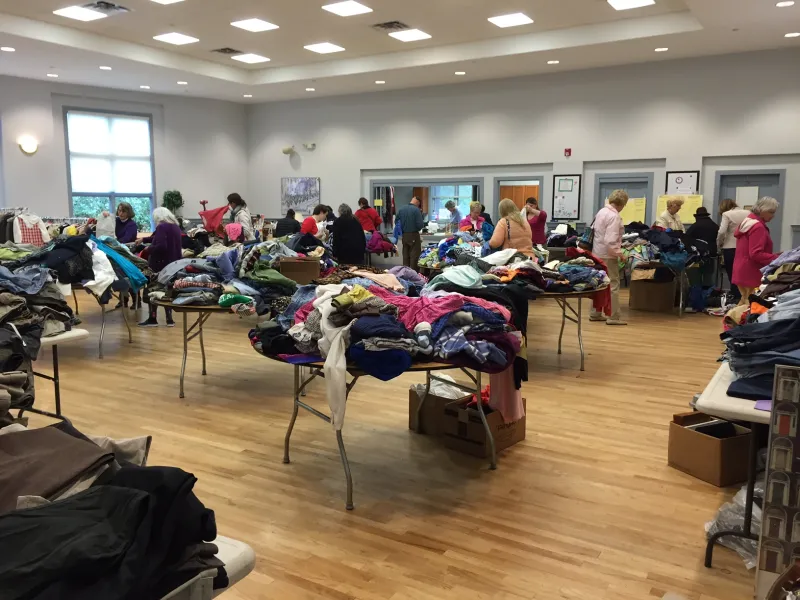
Folding Tables at Dawn: One Season of Sundays in a Church Parking Lot That Refuses to Quit
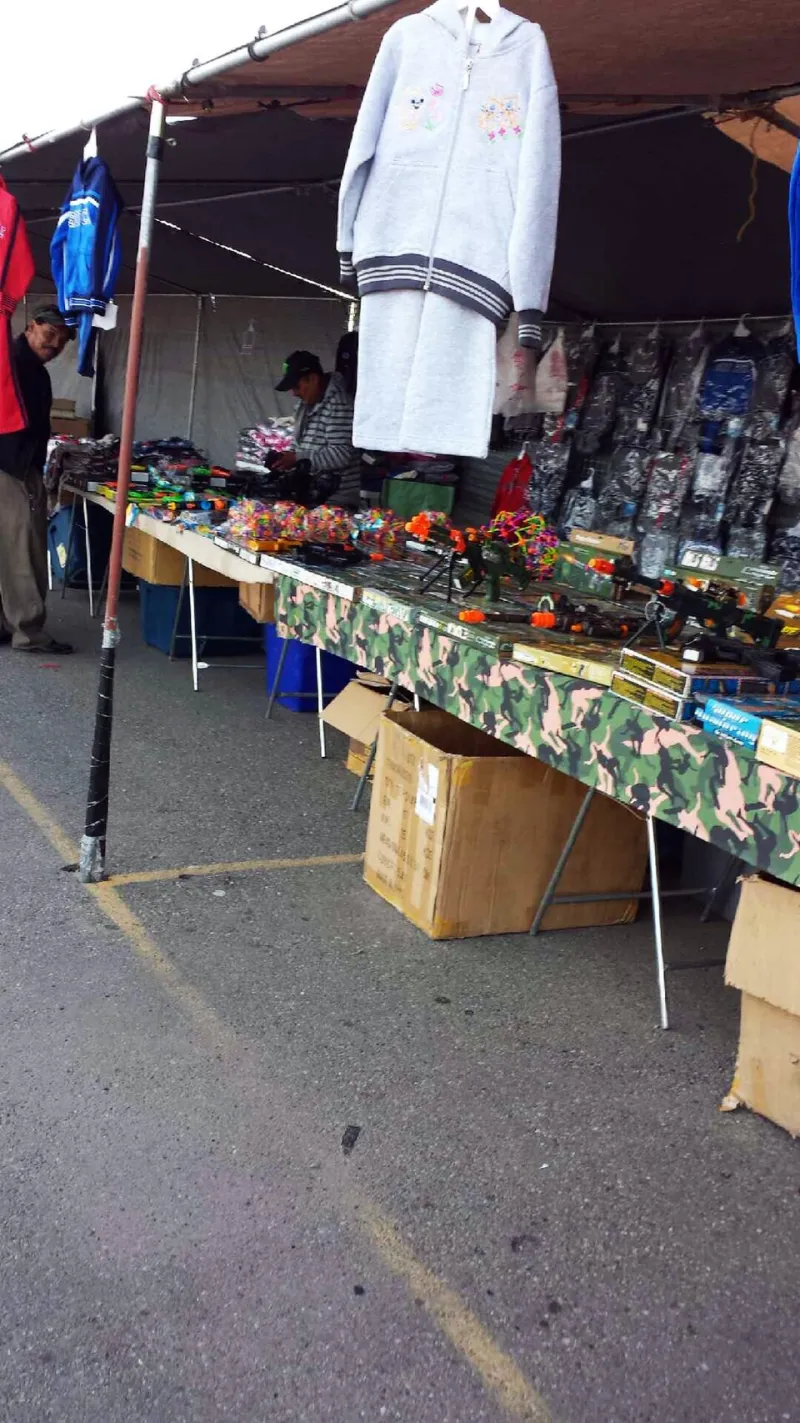
Photo: Madison Rosenbaum, CC BY-SA 3.0, via Wikimedia Commons
The first thing you learn at the swap meet is that 6:45 a.m. is not early. It's late.
By the time I pulled into the lot behind Grace Lutheran off Route 9 that first Sunday, the regulars had already claimed the shady spots near the fence line, their card tables snapped open, their merchandise arranged with a precision that said more about pride than profit. A man named Earl — I didn't catch his last name for weeks, because out here you go by what you sell — had a row of blue willow ware plates fanned out like a winning poker hand.
"You're blocking my light," he told me, not unkindly, and I moved my car.
The Unwritten Constitution
Nobody hands you a rulebook at a church lot swap meet. You absorb it, the way you absorb a new job's culture or your in-laws' holiday politics. Some of the bylaws I picked up over my season as a lurker-turned-helper:
- Don't touch before you greet. You say good morning first. Always. Even if you spotted the box of vintage Hot Wheels from thirty feet away and your legs have already started moving.
- The first offer sets the temperature. Lowball too hard and you've insulted the table. Accept the first price and you've insulted the entire economy.
- Never sell off another vendor's table. If someone asks where to find a lamp cord, you point. You don't sell them the cord from your own trunk. That's just piracy.
- Coffee is currency. The guy with the thermos moves through the lot like a small-town mayor, and his debts and credits are tracked in ways nobody discusses openly.
Breaking these rules doesn't get you ejected. It gets you noticed, which is worse. Word travels at the speed of a folded dollar bill changing hands.
A Season With Earl
Earl, it turns out, has been setting up in church lots across three counties for eleven years. He inherited the willow ware from an aunt in Ohio, kept a few pieces, and discovered that other people would happily pay him for the rest. Now it's a rhythm: estate sales on Saturday, the lot on Sunday, his granddaughter's soccer games on the calendar in between.
"People think I'm here to make money," he told me in October, wrapping a creamer pitcher in newspaper with the tenderness of a man swaddling an infant. "I made my money. I'm here so Tuesday at the diner, somebody knows what I did this weekend."
That's the thing the apps never quite replicate. On Facebook Marketplace, you're a listing. Here, you're a guy. You're the guy with the plates, the guy who found the fishing rod, the guy whose wife makes the lemon bars in August. Your reputation compounds weekly, like interest.
The Bartering Theater
Watch a negotiation at the swap meet and you'll realize half of it is performance. A woman picks up a hand-crocheted tablecloth, examines it, and sighs at a stain that both parties know was put there on purpose — a prop, a stage direction. The seller winces, lowers the price by two dollars, and everyone leaves having told themselves a story about who won.
The teens flipping thrifted Jordans play a different game entirely — faster, louder, all phone-flashlight inspections and sneaker-head jargon. But even they honor the old rules. They greet first. They don't poach. The etiquette holds across generations like a folk song getting covered.
Why It Persists
You'd think the algorithm would have starved this thing out. You can browse a marketplace in your pajamas; you can't do that at 7 a.m. in a church lot in November with your breath fogging.
And yet. The lot fills anyway. Because the swap meet was never really about the merchandise. It's about the small, repeatable ritual of showing up in the same place at the same time as the same-ish people — the exact thing every study and every lonely American keeps saying we're missing. The church provides the parking lot and, presumably, some moral cover; the vendors provide the gravity; the buyers provide the noise.
Earl sold his last box of the season the Sunday before Thanksgiving. He folded the table, shook my hand, and said he'd see me in March, weather permitting.
I believed him. That's the whole product, really. Not the willow ware. The believing.