Six Months in the Passenger Seat: How a Beat-Up Vanpool Turned Strangers Into My People

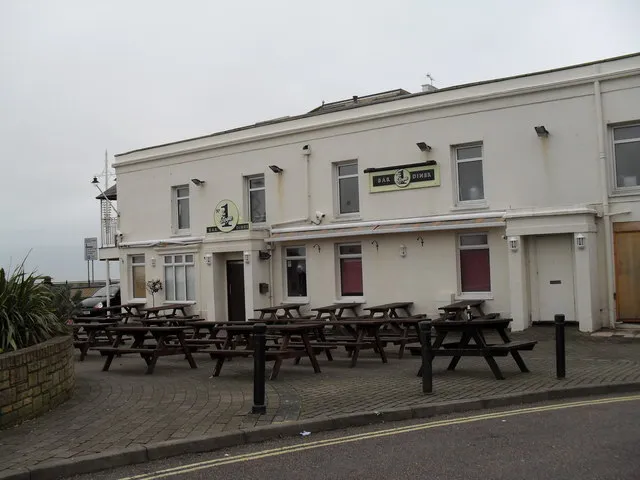
Photo: Holger Krisp, CC BY 3.0, via Wikimedia Commons
The Ad Was Three Sentences Long
It showed up in the neighborhood Facebook group on a Tuesday: "Vanpool forming. Route 7 corridor, 6:45am pickup. $85/month. DM me." No emoji. No sell. Just a guy named Dev with a fifteen-passenger van and four empty seats.
I joined for the math, not the friendship. Gas was eating my paycheck, my car had 140,000 miles on it, and $85 a month felt like a scam in my favor. What I didn't account for was Marcus, who does the crossword in pen. Or Priya, who narrates her garden like a sports announcer. Or Ellen, who has strong opinions about radio stations and zero interest in apologizing for them.
Six months later, I know what all of them are having for dinner before they know it themselves.
Nobody Warns You That Traffic Is a Confessional
Here's the thing about a vanpool: you can't leave. That sounds like a complaint, but it's actually the whole magic trick. There's no escape hatch, no polite exit, no checking your phone under the table. When Marcus mentioned his divorce somewhere around the I-680 interchange, there was nowhere to go except deeper into the conversation.
A therapist friend once told me that people open up during side-by-side activities — driving, walking, washing dishes — because eye contact is optional. A commuter van is that theory on wheels, five days a week, for an hour a day. You stare at brake lights, and somehow the words come easier.
Priya told us about her son's deployment somewhere near the airport exit. Ellen mentioned her sister's diagnosis in the carpool lane, of all places. Nobody made it weird. Somebody just turned the radio down.
The Radio Wars Were the Real Bonding
Not every moment was profound. Most of it was petty, and honestly, the pettiness is what I miss on my days off.
We fought about oldies versus classic rock like it was a court case. We had a two-week cold war over the thermostat. Marcus and Dev still haven't settled whether the Wu-Tang Clan counts as "oldies," and I've come to believe they never want to, because the argument is the relationship.
That's the part no one tells you about intimacy. It isn't built in the deep conversations. It's built in the running jokes, the remembered coffee orders, the way Ellen now hands Dev a pack of peanut M&Ms before he even asks. Repetition is its own kind of love language.
We Keep Designing Community Out of Our Lives
I've been thinking a lot about why this felt so novel. Sixty years ago, carpooling was just what you did — factories ran on shift workers sharing rides, and nobody wrote think pieces about it. Now we treat every shared mile as a productivity loss to be optimized away.
We bought bigger houses farther apart. We replaced the office carpool with a solo podcast habit. We engineered the randomness out of our days, and then we wonder why loneliness is at epidemic levels. Sociologists talk about "third places" — the coffee shops, barbershops, and bowling leagues between home and work. But the van taught me the third place doesn't have to be a place at all. Sometimes it's a moving one, with a dented door and a driver who hums off-key.
The Last Day (And the One After That)
When the six-month lease on the van ended, we had a vote. Unanimous. Dev signed up for another year before the meeting even started.
We still do the route. Marcus brings donuts on Fridays. Priya's tomatoes made the rounds last August, passed hand to hand over seatbacks like contraband. I've spent more time with these five people than with most of my actual relatives, and I've never once seen their living rooms.
If you're within earshot of a vanpool ad — three sentences, no emoji, some guy named anything — I'd say do the math. But the math was never really the point.
Sutthona Banni means "come along, let's go" in Kannada, and I didn't fully understand the phrase until I was riding in a fifteen-passenger van at 6:45 in the morning, arguing about the radio with people I'd have waved at and never met. Come along. Let's go. The destination is optional. The company isn't.