The Best Meal I Had Last Month Cost $4.99 and Came From a Gas Station
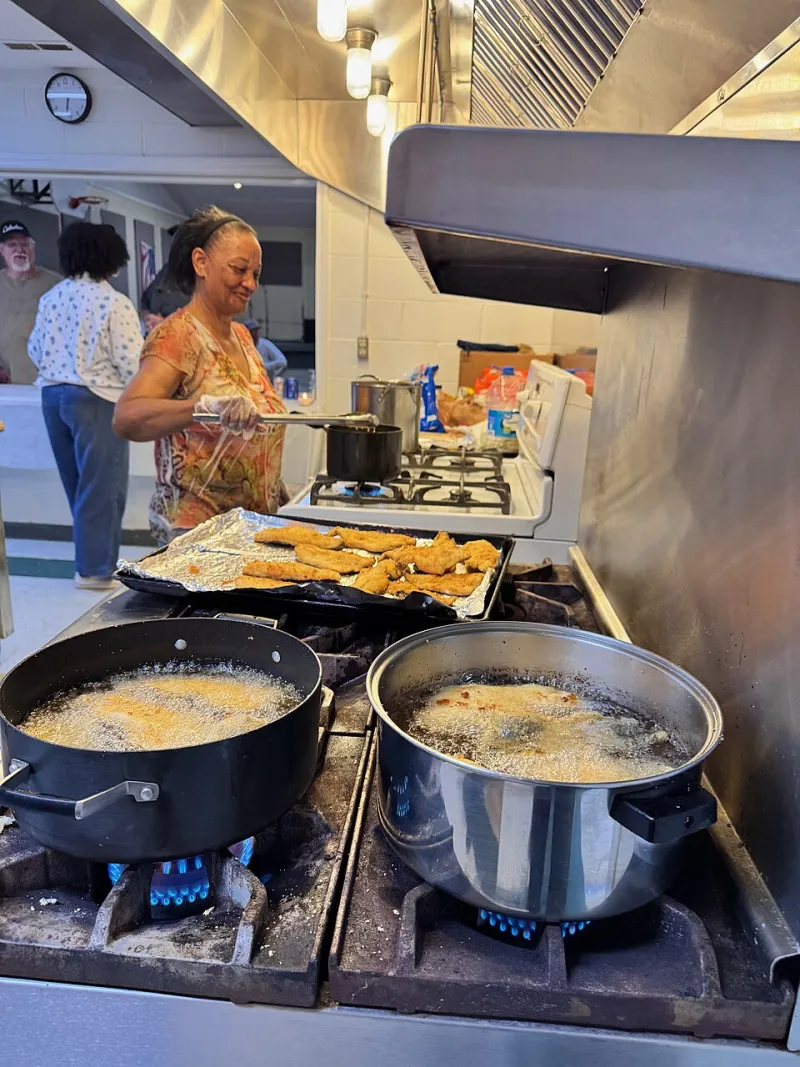
Photo: Harrison Keely, CC BY 4.0, via Wikimedia Commons
There's a gas station off Highway 71, about twenty minutes outside the city, that sells the best samosa I've had in my life.
This is not an exaggeration I'm making for effect. I've eaten at places with tasting menus and sommeliers and bread that arrives with its own backstory. I've waited two hours in line for a burger a magazine told me was worth waiting two hours for. And none of it — none of it — beat the $4.99 potato-and-pea-stuffed miracle that a man named Raj frys fresh every morning at the Fuel City on Route 9.
Raj's family is from Hyderabad. He runs the station with his brother. Around 11 a.m., the hot case fills up, and by 1:30 it's empty, because word has traveled the way word actually travels in America — not through apps or critics, but through people who work nearby and know things.
And I think it's time we talked about that.
The Official Food World Has a Blind Spot the Size of a Parking Lot
Open any city's "best of" food coverage and you'll see the same ecosystem: the new opening, the chef's comeback, the trendy neighborhood spot with Edison bulbs and a deviled egg situation. There's nothing wrong with this coverage. Some of it is excellent.
But it's all reviewing the same narrow slice of American eating. It never touches the places where food and community are actually fused at the hip:
- The VFW fish fry every Friday in Lent, where veterans in caps serve cod and rye bread to half the town
- The temple parking lot fundraiser, where volunteers ladle out sambar and pulihora by donation and nobody's keeping the recipe a secret
- The church basement casserole line after a funeral, where the food is grief management in 9x13 pans
- The firehouse pancake breakfast, the Elks Lodge spaghetti night, the high school booster club BBQ
- Yes, the gas station hot case, the most under-appreciated culinary institution on the continent
No critic stars these places. No influencer films them. But they do something restaurants, by their very structure, cannot: they feed people as a group, for a reason, at a price that includes everyone.
What Makes an Unofficial Kitchen Different
A restaurant, fundamentally, is a transaction. You pay, they cook, everyone's polite, you leave.
An unofficial kitchen runs on something else entirely. The fish fry is a fundraiser, so your $12 dinner pays for a scholarship or a roof repair. The temple lunch is seva — service — so the person handing you your plate is doing it as devotion, not employment. The funeral casserole exists because someone's neighbor couldn't face cooking, and the community answered without being asked.
The food is often genuinely great. But the food is almost beside the point. What you're actually tasting is a town's operating system.
I've been to a funeral luncheon in Ohio where the ham salad sandwiches were unremarkable and I still think about the room. I've been to a mosque's annual open house where the goat biryani was extraordinary and I equally think about the imam who stood in the parking lot answering every question strangers had, for two hours, in the cold. Food was the door. Community was the house.
The Gas Station Is America's Most Honest Restaurant
Back to Raj.
Gas station food has a reputation problem, and honestly, some of that reputation is earned. But anyone who's driven across this country knows the other truth: some of the most regional, most specific, most un-corporate food in America lives in hot cases and roller grills at independent stations.
In Texas, it's kolaches and breakfast tacos. In the upper Midwest, it's brats and cheese curds at the truck stop. In the Southwest, tamales sold out of coolers by roadside vendors. In my corner of the world, it's a Hyderabadi samosa at a station where the pump screens are scratched and the coffee is suspicious and the food is transcendent.
These places can't be franchised, can't be replicated, can't be reviewed in advance. You have to be there. You have to be told. You have to belong, even a little, to the network of people who know.
A Modest Proposal: Review the Fish Fry
Here's my ask, and I mean it half-seriously: food writers, spend one month covering the unofficial kitchens. Go to the Lenten fish fry and review it like it's a new opening. Ask the Methodist ladies who've been running the pie table for 30 years about their process. Rate the booster club brisket.
Because when we only review restaurants, we tell people that community food is a lesser category — charity food, backup food, food you eat out of obligation. That's backwards. The restaurant is the backup. The casserole line is the main event.
America is more atomized than ever, and we keep looking for fixes: apps for neighbors, third places, social prescribing. The fixes already exist. They're in church basements and temple parking lots and VFW halls every single weekend, run by volunteers, priced for everybody, open to anyone willing to show up and hold out a plate.
Raj's samosas sell out by 1:30. Get there early. Bring cash. Stay a minute and talk to him.
That's the whole review.