Sugar, Spite, and Three HOA Boards: The Cookie Walk That Refuses to Die
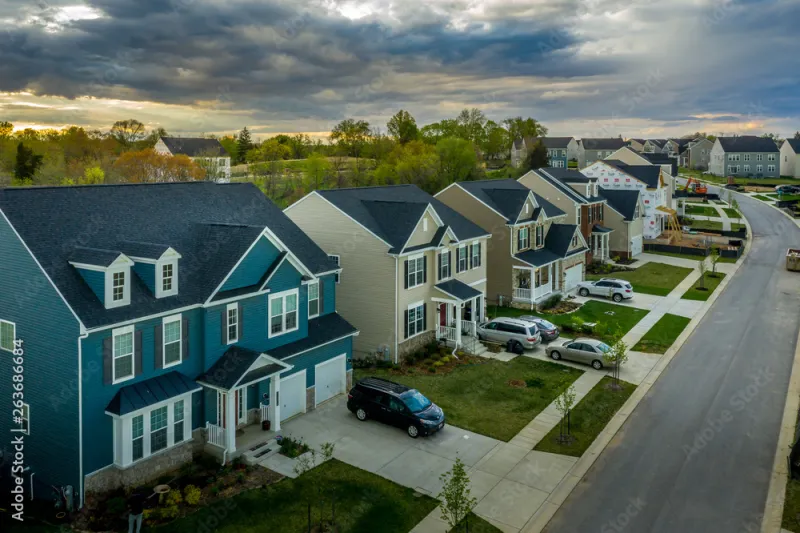
Photo: neighborhood holiday cookie walk open house front porch tray of cookies, via as1.ftcdn.net
The Map in the Plastic Sleeve
Every December, the houses on one street in our town do something that should not work. They open their front doors, put out cookies, and invite anyone who walks by to come in. It is called the Cookie Walk. There is no ticket. There is no admission fee. There is a map, photocopied and stuffed into a plastic sleeve, and if you lose it you can just follow the people carrying tins.
The first walk was small — a dozen houses, a few dozen neighbors, a lot of peppermint bark. That was in the 1990s, before the current HOA board and the one before that and the one before that. The tradition has outlasted all three, which is saying something. It has also outlasted most of the original hosts, a few parking disputes, and at least one strongly worded email about the noise.
The Cookie Walk is not a craft fair. It is not a fundraiser. It is not a competition, although there is a quiet competition about the thumbprint cookies. It is a walk down a street where people have agreed to be home. That is the whole idea. In a season full of obligations, it is an invitation with no strings.
Three Boards and a Lot of Minutes
The HOA has never officially endorsed the Cookie Walk, which is probably the secret to its survival. The first board, in the early years, treated it as a block party and looked the other way. The second board, a decade later, got nervous about liability and asked for a review. The third board tried to add it to the annual calendar and immediately regretted it, because once something is on the calendar people expect minutes.
The walk survived all of it by staying slightly under the radar. There is no official budget. There is no incorporated entity. The hosts bring their own cookies. The map is made by a woman named Joanne who has been making the map since before the current HOA president was born. If you ask Joanne how it works, she will say: 'It works because nobody is in charge.' Then she will hand you a roll of tape.
That is not entirely true. Somebody is always in charge of the map. Somebody is in charge of the sign-up sheet, which goes up on the neighborhood email list in early November. Somebody is in charge of the allergy labels, which are a relatively new addition and a good one. Somebody is in charge of reminding people not to park in the cul-de-sac. The Cookie Walk has logistics. It just refuses to have a board.
The Cookie Table Is a Census
If you want to know how a street is doing, look at the cookie table. The old-timers bring the same recipes every year: pizzelles, peanut butter blossoms, a fruitcake that nobody eats but everybody respects. New families bring whatever they are excited about — salted caramel bars, gluten-free gingerbread, a tray of store-bought cookies that gets a lot of quiet judgment until someone points out that store-bought is fine and the point is not the cookie.
The map changes a little every year. One house drops off because the hosts moved to Arizona. A new house joins because a young couple heard about it and asked if they could participate. The walk gets rerouted around construction. The date gets moved because of a conflict with a basketball tournament. The cookies change. The street does not.
The best part is not the cookies. It is the walking. You see people you have waved at for years but never talked to. You meet the person who lives behind the hedge. You find out that the house with the inflatable snowman belongs to a retired firefighter who makes a truly aggressive rum cake. You get cold. You go home with a tin full of things you did not need and a phone number you might actually use.
Why We Keep Walking
The Cookie Walk is a small thing. It will not solve the housing crisis or fix the schools or make the HOA any easier to deal with. But it does something that is harder to measure: it makes the street feel like a place where people are expected. Not required. Expected. There is a difference.
In a town where it is easy to go a whole winter without seeing your neighbors, a walk down one street with a plastic-sleeve map is a reminder that community is not a meeting. It is a series of small, repeated invitations. Somebody puts out a plate of cookies. Somebody else walks in. The rest is just weather.
If you go this December, bring a tin. Bring a friend. Do not park in the cul-de-sac. And if you see Joanne with the map, tell her the thumbprints were good this year. She will pretend not to care. She will care.